
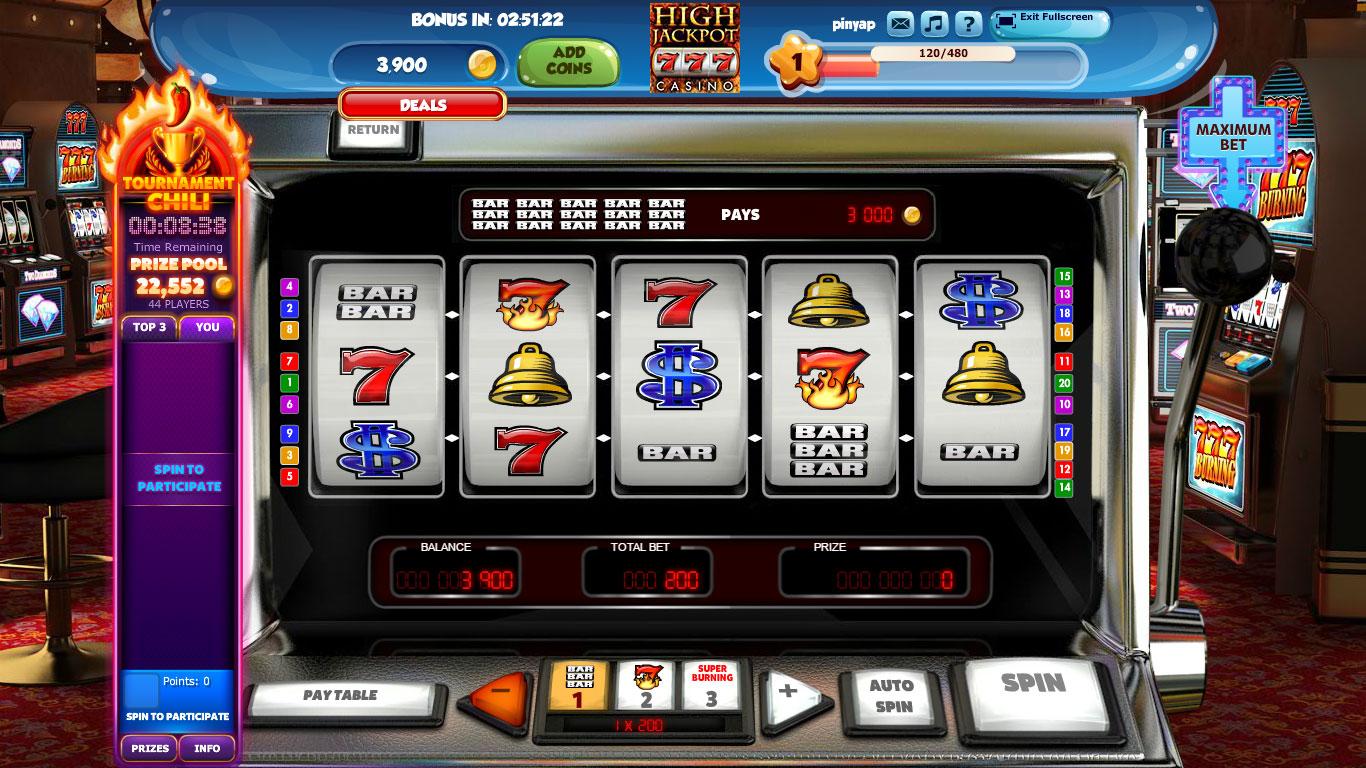
The online gaming landscape is in a perpetual state of evolution, driven by technological advancements and shifting player expectations. As the industry matures, platforms like Macau Casino real money are strategically positioning themselves to capitalize on emerging trends. Understanding these future directions is crucial for both operators and players aiming to stay ahead in this dynamic sector. The pursuit of immersive experiences and enhanced security will undoubtedly shape the next generation of online casinos.
The Rise of Immersive Technologies in Macau Casino Real Money
The future of online casinos is undeniably tied to the development and integration of immersive technologies, with virtual reality (VR) and augmented reality (AR) leading the charge. Imagine stepping into a virtual Macau casino, complete with realistic graphics, ambient sounds, and interactive dealers, all from the comfort of your home. This level of immersion promises to replicate the thrill of a physical casino floor, offering a far more engaging experience than traditional 2D interfaces. As VR headsets become more affordable and accessible, their adoption within the online gaming sphere is expected to skyrocket, transforming how players interact with games.
Augmented reality also holds significant potential, overlaying digital information and interactive elements onto the real world. This could manifest in various ways, from enhanced live dealer games where virtual elements are added to the player’s view, to AR-powered interactive tutorials for complex games. The goal is to bridge the gap between the digital and physical, creating a uniquely compelling and interactive gaming environment that appeals to a broad demographic. The integration of these technologies will redefine what ‘real money’ gaming truly means online.
Advancements in Payment Systems and Security
As online gambling continues its global expansion, the security and efficiency of payment systems become paramount. Future trends will see a greater emphasis on seamless, instant, and secure transaction methods. Cryptocurrencies are poised to play a more significant role, offering enhanced privacy, faster transaction times, and potentially lower fees compared to traditional banking methods. While regulatory frameworks are still catching up, the inherent advantages of blockchain technology are difficult to ignore for platforms looking to offer cutting-edge services.
- Cryptocurrency integration for deposits and withdrawals.
- Biometric authentication for enhanced account security.
- Faster processing times for all transaction types.
- Increased adoption of e-wallets for convenience.
- AI-driven fraud detection systems.
Beyond cryptocurrencies, biometric authentication methods like fingerprint and facial recognition will become standard for securing player accounts and authorizing transactions. This adds a robust layer of personal security, mitigating the risks associated with traditional password-based systems. Artificial intelligence will also be instrumental in identifying and preventing fraudulent activities in real-time, ensuring a safer environment for both players and operators. These security enhancements are not just about compliance; they are about building trust and providing peace of mind.
The Evolving Role of AI and Machine Learning
Artificial Intelligence (AI) and Machine Learning (ML) are set to revolutionize the online casino experience, moving beyond basic customer support chatbots. AI can analyze player behavior to offer personalized game recommendations, tailored promotions, and even adjust game difficulty dynamically to maintain engagement. This data-driven approach allows operators to understand their audience on a deeper level, creating bespoke gaming journeys that cater to individual preferences and playing styles.
Furthermore, AI will be crucial in enhancing responsible gaming initiatives. By monitoring playing patterns, AI can identify potential problem gambling behaviors early on and trigger interventions, such as temporary self-exclusions or setting spending limits. This proactive approach not only protects vulnerable players but also demonstrates a commitment to ethical operation. The integration of AI signifies a move towards smarter, more personalized, and safer online gaming environments.
Personalization and Gamification Strategies
The future of online casinos hinges on delivering highly personalized experiences. Players no longer want a one-size-fits-all approach; they seek platforms that recognize their individual tastes and preferences. This involves leveraging data analytics to offer customized game selections, unique bonus offers, and loyalty programs that truly reward engagement. Personalization extends to the user interface itself, with options for players to customize their gaming environment to suit their needs.
| Feature | Current State | Future Projection |
|---|---|---|
| Game Recommendations | Basic algorithms | AI-driven, highly personalized suggestions |
| Bonuses and Promotions | Standard offers | Tailored based on player history and preferences |
| User Interface | Static layouts | Customizable and adaptive interfaces |
| Loyalty Programs | Tiered systems | Dynamic, achievement-based rewards and exclusive content |
Gamification, the incorporation of game-like elements into non-game contexts, will also become increasingly sophisticated. Expect to see more elaborate reward systems, achievement badges, leaderboards, and progressive challenges integrated into the casino experience. These elements are designed to boost player motivation, encourage longer play sessions, and foster a sense of community and competition. By making the act of playing more engaging and rewarding, casinos can cultivate stronger player loyalty.
Regulatory Landscape and Global Expansion
The global online gambling market is characterized by a complex and ever-changing regulatory landscape. As more jurisdictions establish clear frameworks for online casino operations, opportunities for legitimate brands like Macau Casino real money to expand their reach will grow. Compliance with diverse regulations, including those related to player protection, fair play, and anti-money laundering, will be a critical factor for success and sustained growth in new markets.
Navigating these regulatory complexities requires significant investment in legal expertise and robust compliance systems. However, establishing a strong reputation for trustworthiness and adherence to international standards will be a key differentiator. As the industry matures, a clear distinction will emerge between compliant, secure operators and those who fail to meet regulatory requirements, ensuring a safer and more regulated environment for all participants worldwide.
